Staying sober requires more than avoiding harmful drug or alcohol use. Daily habits and emotional regulation play a central role in long‑term stability. Healthy hobbies offer practical ways to manage stress, fill time, and rebuild confidence without relying on alcohol or drugs.
This article explains which hobbies support sobriety and wellness, why they matter, and how they fit into recovery‑focused routines.
Why Hobbies Matter During Sobriety
Early sobriety often brings long stretches of unoccupied time. Substance use once shaped daily routines and served as a coping outlet. When that pattern stops, boredom and emotional discomfort can raise relapse risk. Hobbies help fill this space with purposeful activity that supports healthier daily rhythms.
Engaging in hobbies activates brain reward pathways without harmful reinforcement. Physical movement, creative expression, and skill learning support dopamine regulation while lowering stress hormones. These effects improve emotional balance, sleep quality, focus, and self‑esteem. Regular engagement also strengthens routine habits, which reduces impulsive responses tied to cravings.
Hobbies play a role in rebuilding identity during recovery. Many people feel disconnected from interests or abilities after long periods of use. Reintroducing meaningful activities helps restore a sense of purpose.
The outpatient treatment program we offer at Ray of Hope integrates and encourages hobbies, such as physical activities and journaling, that often serve as an early starting point for a sustainable recovery process.
Physical Activities That Support Wellness
Exercise remains one of the most effective hobbies for sobriety support. Movement improves mood, reduces anxiety, and strengthens stress tolerance. Physical activity also helps regulate appetite and sleep cycles, both of which are common challenges during early recovery.
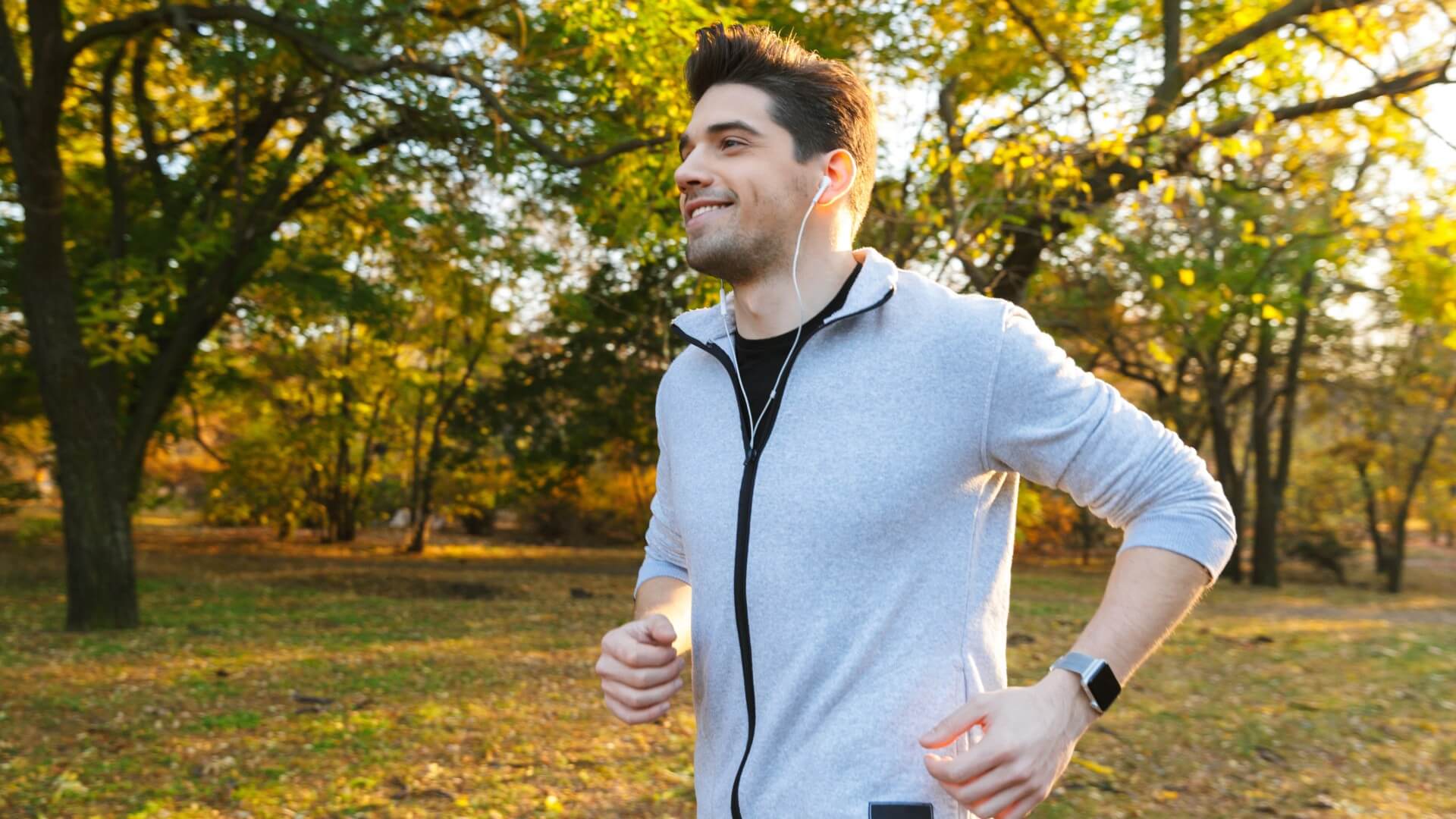
Walking, running, swimming, cycling, and strength training offer flexible options with varying intensity. Yoga and stretching practices combine movement with breath control, which helps calm the nervous system during high‑stress moments. Group fitness classes add social connection while maintaining healthy boundaries.
Outdoor activities provide added benefits. Time spent in natural settings lowers cortisol levels and supports emotional regulation. Hiking, gardening, or recreational sports introduce routine exposure to fresh air and daylight, which helps stabilize circadian rhythms.
Creative Hobbies for Emotional Regulation
Creative activities support sobriety through emotional processing rather than avoidance. Writing, drawing, painting, music, and photography allow expression without verbal pressure. These outlets help process emotions that often surface during recovery, such as grief, anger, or anxiety.
Creative hobbies also build patience and focus. Progress occurs through practice rather than instant reward. This process strengthens tolerance for discomfort, a skill directly linked to effective relapse strategies.
Hands‑on crafts such as woodworking, knitting, or pottery engage the mind while calming it. These activities promote mindfulness through repetitive motion, which reduces rumination and emotional overload.
Social and Community‑Based Activities
Isolation increases relapse vulnerability. Healthy social hobbies provide connection without exposure to substance use. Volunteer work, support group participation, faith‑based involvement, and community classes offer structured interaction with a shared purpose.
Team sports and group classes introduce accountability through shared schedules rather than pressure. Language exchange groups, book clubs, or educational workshops support conversation and learning without the need for environments encouraging substance use.
Service‑focused hobbies often strengthen self‑worth. Helping others reinforces meaning and responsibility while shifting focus away from cravings or stress. These experiences support emotional stability and reinforce sober values.
Skill‑Building and Educational Hobbies
Learning new skills supports sobriety through cognitive engagement. Skill development improves concentration, memory, and problem‑solving while reinforcing confidence. Examples include cooking, learning a language, coding, financial planning, or vocational training.
Cooking deserves special attention. Preparing meals promotes nutritional awareness, building routines, and self‑care. Balanced nutrition supports brain healing and energy regulation, both of which are essential during recovery.
Educational hobbies also support career readiness. Gaining practical skills reduces financial stress, a common trigger for relapse. Structured learning offers measurable progress, which reinforces motivation without reliance on external substances.
Choosing Hobbies That Support Recovery Goals
Not all hobbies support sobriety equally. Activities connected to past use patterns or high‑risk environments may increase vulnerability. Selection should focus on safety, accessibility, and emotional benefit.
Healthy hobbies share several features. They encourage routine, support emotional regulation, and provide satisfaction without excess stimulation. They remain flexible during difficult days and do not rely on perfection for enjoyment.
Professional support often helps with selecting a hobby. Proper addiction treatment programs frequently integrate lifestyle planning to help clients identify activities aligned with recovery goals. This planning strengthens relapse prevention through practical daily habits rather than abstract motivation.
Final Thoughts from Ray of Hope
Healthy hobbies serve a practical role in sobriety and wellness. They help manage stress, reduce cravings, support emotional balance, and rebuild daily routines. Meaningful activity fills time once consumed through harmful use and supports long‑term stability through healthier reward systems.
At Ray of Hope, these lifestyle tools are reinforced through our outpatient treatment program in Columbus, OH, where therapy focuses on relapse prevention, coping skills, and support for daily routines. Clinical care helps clients apply healthy habits outside sessions, strengthening progress while balancing treatment with real‑life responsibilities.