If you’ve ever felt your heart racing during a stressful moment, you’ve experienced firsthand how anxiety affects your body. Among the numerous health effects it can have on you, can anxiety cause high blood pressure?
The connection between mental health and cardiovascular health is real, but also more nuanced than many people realize. Anxiety can clearly trigger short-term increases in blood pressure, and ongoing anxiety may contribute to long-term cardiovascular risk. This article breaks down what actually happens in your body, what the research says, and what you can do to protect both your physical and mental health.
Quick Takeaways
-
Anxiety can cause temporary spikes in blood pressure, especially during panic attacks or intense stress
-
Chronic anxiety may increase the risk of developing high blood pressure over time, though the relationship is complex
-
Lifestyle changes, exercise, and mental health treatment support both anxiety and heart health
-
Untreated anxiety is associated with higher cardiovascular risk, especially alongside other factors like poor sleep or alcohol use
-
Because high blood pressure often has no symptoms, measuring it is more reliable than going by how you feel
How Anxiety Affects Your Blood Pressure

Anxiety is more than a feeling. When you feel overwhelmed, your body activates a stress response that releases hormones like cortisol and adrenaline.
These hormones:
-
Increase your heart rate
-
Narrow your blood vessels
-
Temporarily raise your blood pressure
This is known as the fight-or-flight response, and in most cases, it’s short-lived. Once the stressful situation passes, your blood pressure typically returns to baseline. The concern arises when anxiety becomes chronic. Repeated activation of this stress response may lead to more frequent blood pressure spikes and may increase long-term cardiovascular risk, especially when combined with other factors.
What Happens During a Panic Attack
During a panic attack, the body’s response can feel intense and overwhelming.
Common physical effects include:
-
Rapid heart rate
-
Shortness of breath
-
Chest tightness
-
Temporary increases in blood pressure
In many otherwise healthy individuals, panic attacks do not typically cause permanent cardiovascular damage on their own. However, frequent or severe episodes, especially when accompanied by underlying health conditions, should be discussed with a healthcare provider.
The Role of Stress Hormones in Blood Pressure
Stress hormones play a central role in the anxiety–blood pressure connection.
When anxiety is frequent or ongoing, your body may repeatedly release cortisol and adrenaline, even when there is no immediate threat.
Over time, this may:
-
Disrupt sleep
-
Affect metabolic and cardiovascular regulation
-
Contribute to increased strain on the cardiovascular system
While stress hormones alone do not guarantee the development of hypertension, they are one piece of a broader picture that includes lifestyle, genetics, and overall health.
Key Factors Linking Anxiety and Blood Pressure
| Factor | Short-Term Effect | Long-Term Consideration |
|---|---|---|
| Stress hormones (cortisol, adrenaline) | Temporary increase in heart rate and blood pressure | May increase long-term cardiovascular risk |
| Untreated anxiety | Frequent physiological stress responses | Associated with a higher risk of hypertension |
| Poor sleep | Disrupts recovery | Linked to elevated blood pressure |
| Physical inactivity | Fewer stress outlets | Worsens both anxiety and heart health |
Can Chronic Anxiety Lead to Long-Term High Blood Pressure?

Not directly in every case, but it can contribute. Anxiety alone is not always enough to cause chronic hypertension. However, it may increase risk, especially when combined with:
-
Sedentary lifestyle
-
Poor diet
-
Alcohol use
-
Chronic sleep disruption
-
Family history of heart disease
Chronic anxiety keeps your body in a heightened state of alertness. Over time, repeated stress responses may contribute to cardiovascular strain through:
-
Frequent blood pressure spikes
-
Sleep disruption
-
Behavioral patterns (like avoiding exercise or increased alcohol use)
According to the American Heart Association (AHA), some research has found an association between long-term mental health conditions and higher rates of hypertension, though direct causation remains complex.
Additional Ways Anxiety Can Affect Blood Pressure
-
Sleep disruption: Poor sleep is independently linked to higher blood pressure
-
Behavioral patterns: Anxiety may increase alcohol use or reduce physical activity
-
Biological pathways: Researchers are exploring how chronic stress may influence inflammation and blood vessel function
Practical Ways to Manage Anxiety and Support Healthy Blood Pressure
Addressing anxiety often has positive ripple effects on physical health. You don’t have to choose between the two—they are deeply connected. Lifestyle changes that help include:
-
Exercise regularly: Physical activity reduces stress hormones and supports heart health. Even daily walking helps
-
Practice deep breathing: Breathing exercises activate your parasympathetic nervous system and may reduce stress-related blood pressure spikes
-
Prioritize sleep: Consistent, quality sleep supports both emotional regulation and cardiovascular recovery
-
Limit alcohol: Alcohol can worsen anxiety and contribute to elevated blood pressure
-
Follow a heart-healthy diet: Emphasize whole foods, fruits, vegetables, and moderate sodium intake to support blood pressure regulation
How These Strategies Support Both Systems
| Strategy | Anxiety Benefit | Blood Pressure Benefit |
|---|---|---|
| Exercise | Improves mood, reduces stress | Supports heart and circulation |
| Deep breathing | Calms the nervous system | May reduce short-term spikes |
| Sleep | Stabilizes mood | Supports cardiovascular recovery |
| Reduced alcohol | Less rebound anxiety | Lowers hypertension risk |
When to Talk to a Doctor
If you’re experiencing symptoms like a racing heart, chest discomfort, or ongoing anxiety, it’s worth discussing with a healthcare provider. It’s especially important to remember:
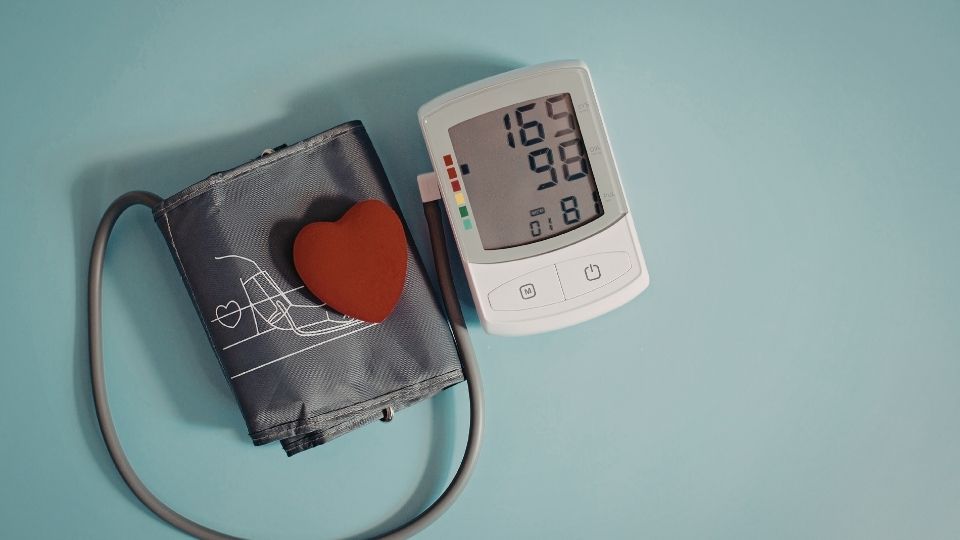
High blood pressure usually has no symptoms
The only reliable way to know your blood pressure is elevated is through measurement, not how you feel. A doctor can help determine whether your symptoms are related to anxiety, blood pressure, or another underlying condition, and guide appropriate treatment.
Can Anxiety Cause High Blood Pressure? FAQs
Can a single anxiety episode permanently raise my blood pressure?
No. A single anxiety episode causes only a temporary spike in blood pressure, not a permanent increase. During the episode, stress hormones like adrenaline briefly elevate your readings, but levels typically normalize once the episode subsides. Chronic, repeated anxiety over time, however, may contribute to longer-term cardiovascular strain and should be monitored by a doctor.
What does anxiety feel like compared to high blood pressure?
Anxiety presents noticeable physical symptoms: racing heartbeat, chest tightness, sweating, and shortness of breath. High blood pressure, by contrast, is largely symptomless, earning it the nickname “the silent killer.” Most people with hypertension feel completely normal despite dangerous readings. This is why regular blood pressure monitoring matters; you cannot reliably distinguish it from anxiety through feeling alone.
Can treating anxiety lower blood pressure?
Yes, managing anxiety can help reduce the frequency of stress-driven blood pressure spikes. Therapies like cognitive behavioral therapy, medication, mindfulness, and regular exercise calm the nervous system, lowering stress hormone output. While anxiety treatment alone may not resolve hypertension rooted in other causes, it meaningfully supports overall cardiovascular health and should be part of any comprehensive treatment plan.
Taking the Next Step Toward Whole-Person Wellness
Mental health and physical health are not separate systems; they are deeply connected. If anxiety is affecting your daily life, whether through panic attacks, sleep disruption, or ongoing stress, structured support can help.
Ray of Hope Columbus provides evidence-based outpatient and partial hospitalization treatment for individuals navigating anxiety, co-occurring conditions, and substance use concerns. Our in-network care, including Medicaid, is designed to be accessible and structured around your life.
Reach out today to learn more about personalized treatment options in the Columbus, Ohio area.