
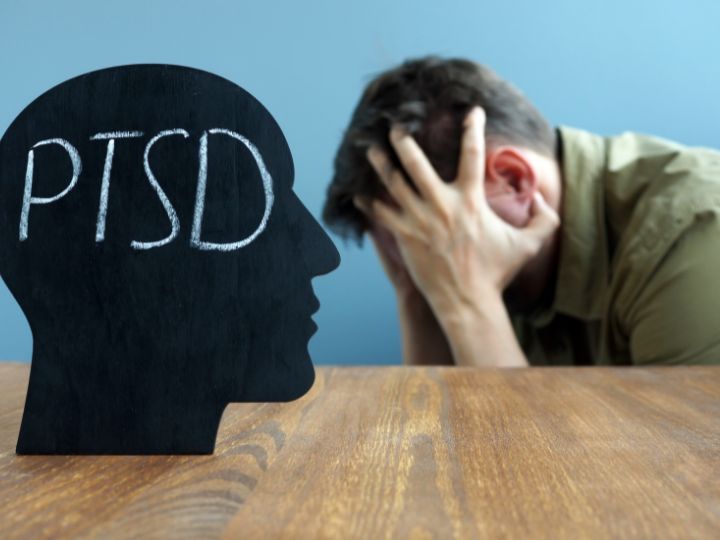
Post-traumatic stress disorder (PTSD) and substance use disorder (SUD) are two mental health conditions that often co-occur, creating a complex dual diagnosis. Individuals grappling with the debilitating symptoms of PTSD may turn to substances as a coping mechanism, only to find themselves caught in a vicious cycle of addiction and exacerbated trauma symptoms. In this article, we’ll explore the intricate relationship between PTSD and SUD, and discuss strategies for effectively treating this dual diagnosis.
Understanding PTSD and SUD
PTSD is a mental health condition that can develop after exposure to a traumatic event, such as combat, sexual assault, or a natural disaster. Symptoms of PTSD may include intrusive memories, nightmares, avoidance of trauma-related triggers, hypervigilance, and emotional distress. These symptoms can be incredibly distressing and interfere with daily functioning.
SUD, on the other hand, is characterized by the compulsive use of substances despite negative consequences. Individuals with SUD may experience intense cravings, withdrawal symptoms, and difficulty controlling their substance use. Substances commonly misused include alcohol, prescription medications, and illicit drugs.
The Co-Occurrence of PTSD and SUD
Studies have shown that PTSD and SUD frequently co-occur. In fact, individuals with PTSD are two to four times more likely to develop SUD compared to those without PTSD. Several factors contribute to this heightened risk:
- Self-Medication: Individuals with PTSD may turn to substances as a way to numb or escape from distressing trauma-related symptoms. Substances can provide temporary relief from intrusive thoughts, nightmares, or emotional pain.
- Neurobiological Changes: Trauma exposure can lead to changes in brain chemistry and structure, particularly in areas involved in stress response and reward processing. These changes may increase vulnerability to addiction.
- Shared Risk Factors: Certain risk factors, such as childhood adversity, genetics, or environmental stressors, can increase the likelihood of developing both PTSD and SUD.
The Challenges of a Dual Diagnosis
Treating PTSD and SUD concurrently presents unique challenges. The presence of one condition can exacerbate the symptoms of the other, creating a self-perpetuating cycle. For example, substance use can worsen PTSD symptoms by disrupting sleep, increasing emotional dysregulation, or triggering traumatic memories. Conversely, the distress associated with PTSD can intensify cravings and drive substance use as a means of coping.
Moreover, individuals with a dual diagnosis may face additional barriers to treatment, such as stigma, lack of integrated care, or limited access to trauma-informed services. Addressing both conditions simultaneously is crucial for achieving sustained recovery and improving overall well-being.
Strategies for Treating PTSD and SUD Effective treatment for PTSD and SUD requires a comprehensive, integrated approach that addresses both conditions concurrently. Key strategies include:
- Trauma-Focused Therapy: Evidence-based therapies, such as cognitive processing therapy (CPT) or prolonged exposure therapy (PE), can help individuals process traumatic experiences, develop coping skills, and reduce PTSD symptoms.
- Substance Use Treatment: Addiction treatment may involve a combination of behavioral therapies, such as cognitive-behavioral therapy (CBT) or motivational interviewing, and medication-assisted treatment (MAT) to manage cravings and support recovery.
- Integrated Care: Treatment programs that offer integrated care for PTSD and SUD can provide a coordinated, holistic approach to recovery. This may involve collaboration between mental health professionals, addiction specialists, and other healthcare providers.
- Skill-Building: Teaching individuals healthy coping strategies, stress management techniques, and emotional regulation skills can help them navigate triggers and maintain sobriety.
- Support Networks: Engaging in support groups, such as 12-step programs or trauma-specific groups, can provide a sense of community, validation, and accountability throughout the recovery process.
- Self-Care and Resilience: Encouraging individuals to prioritize self-care activities, such as exercise, mindfulness, or creative pursuits, can help build resilience and promote overall well-being.
The Importance of Seeking Help
If you or a loved one is struggling with PTSD and SUD, it’s essential to seek professional help. Dual diagnosis treatment can be life-changing, providing the tools and support needed to break the cycle of trauma and addiction. Don’t hesitate to reach out to a mental health professional or addiction specialist to discuss treatment options (substance abuse treatment programs) and begin the path to recovery.
The co-occurrence of PTSD and SUD presents a complex and challenging dual diagnosis. By understanding the intricate relationship between trauma and addiction, and implementing comprehensive, integrated treatment strategies, individuals can break free from the vicious cycle and reclaim their lives. With the right support, resources, and a commitment to healing, recovery is possible. Remember, seeking help is a sign of strength, and you don’t have to navigate this journey alone.