
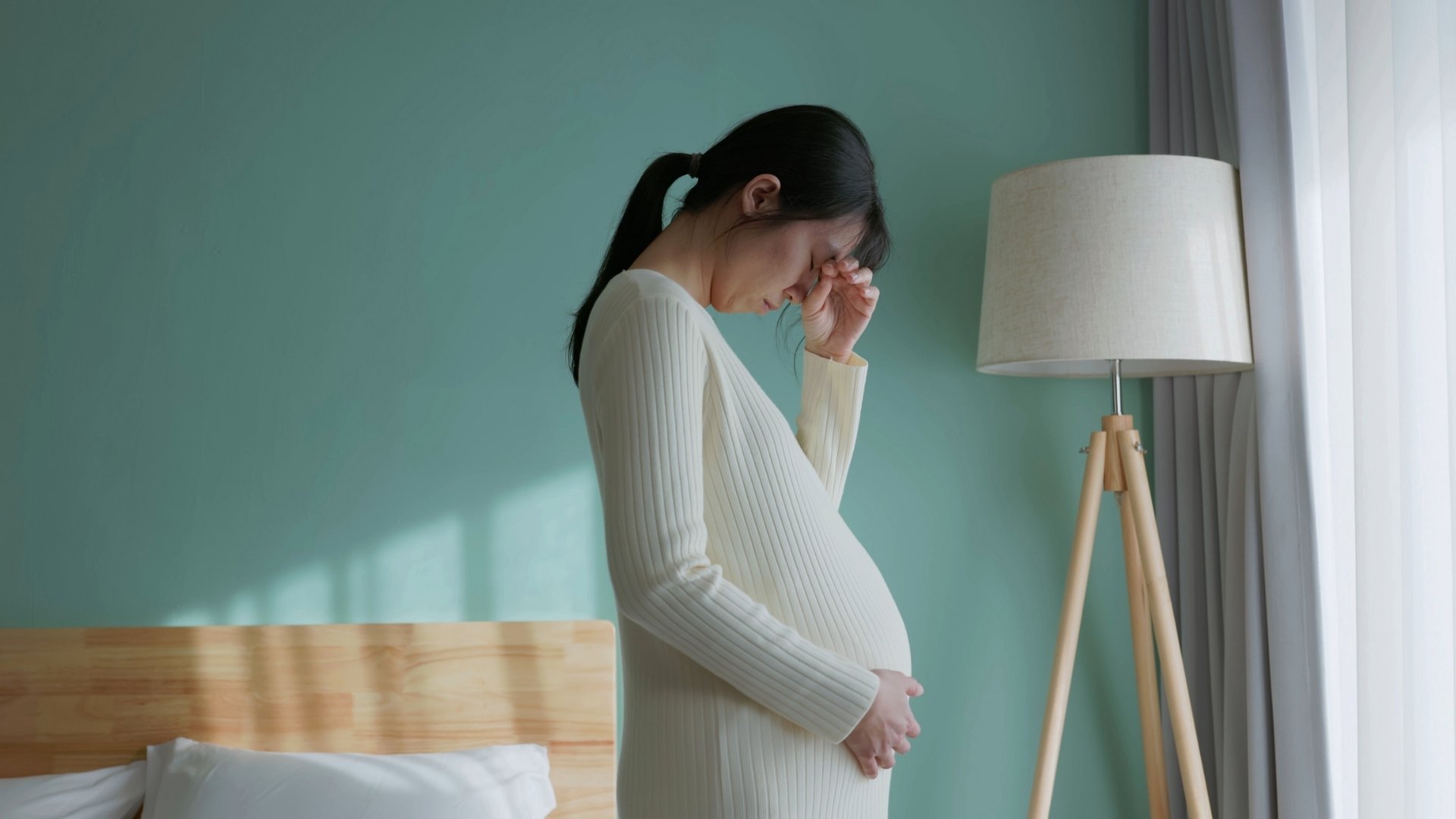
Welcoming a new baby is a monumental life event, but for many, the joy is clouded by overwhelming sadness, anxiety, and exhaustion. If you’re experiencing these feelings, you might be wondering, how long can postpartum depression last? It’s a critical question, as postpartum depression (PPD) is a serious form of major depression that goes beyond the “baby blues.”
It is not a character flaw or something you can just “snap out of.” Understanding the timeline, recovery process, and available support is the first step toward feeling like yourself again. This guide will walk you through the duration of PPD, what to expect, and how to find help.
Quick Takeaways
- PPD Is a Serious Medical Condition: Unlike the “baby blues” that fade in the first few weeks, postpartum depression is a persistent and intense mood disorder that often requires professional care.
- Varied Timeline: The duration of PPD varies. While some women feel better within months, for others, symptoms can linger for a year or more, especially if the condition is not properly treated.
- Know the Risk Factors: A personal or family history of depression or other mental health conditions, a lack of support, and stressful life events can put you at an increased risk.
- Treatment is Key: There are effective ways to treat postpartum depression. Options include therapy, medication, and support groups. Seeking help from a healthcare provider is essential.
- Support Matters: If you feel sad and overwhelmed, reaching out to a crisis lifeline or a mental health professional can provide immediate support and guidance.
The “Baby Blues” vs. Postpartum Depression

In the first week after childbirth, many new mothers experience mood swings, crying spells, and anxiety, often called the “baby blues.” These symptoms are very common and typically resolve on their own within two weeks without treatment.
However, PPD is different. According to the American Psychiatric Association, PPD is a clinical mental disorder characterized by a persistent depressed mood and loss of interest that interferes with your ability to perform daily tasks. If your symptoms last longer than two weeks and make it hard to care for yourself or your baby, it’s time to seek professional postpartum care.
What is Perinatal Depression?
Perinatal depression is the clinical term for postpartum depression, renamed to reflect the fact that symptoms can begin during pregnancy, not just after birth. It is more common than many people realize, affecting an estimated one in seven women. With proper treatment and support, recovery is absolutely possible.
What is the Typical Timeline for Postpartum Depression?
There is no single answer for how long postpartum depression lasts. The timeline is highly individual. With effective treatment, many women see significant improvement within three to six months. However, if left untreated, PPD can get depression worse and last for a year or even longer. Some women who have struggled with PPD in the past year report that residual symptoms can linger.
Several factors can influence the duration, including the severity of symptoms, pre-existing medical conditions, and whether a person has a history of substance use. The key to shortening the duration is early diagnosis and intervention.
Factors Influencing the Duration of PPD
- Severity of Symptoms: Intense symptoms, such as trouble sleeping, severe anxiety, or suicidal thoughts, may require more comprehensive and longer-lasting treatment.
- Medical History: A personal or family history of depression, bipolar disorder, or other mental health conditions can complicate recovery.
- Social Support: A strong, understanding support system can be one of the most powerful tools in your recovery.
- Timeliness of Treatment: The sooner you begin to treat postpartum depression, the better your prognosis and the shorter the recovery period.
Effective Treatment Options for PPD

Fortunately, postpartum depression is a treatable condition. A mental health professional can help you find the right combination of treatments to manage your symptoms and support your recovery. The focus is on improving women’s health from a whole-person perspective.
Key Treatment Approaches
| Treatment Type | Description | How It Helps | Who to See |
|---|---|---|---|
| Psychotherapy | Also known as “talk therapy,” it involves speaking with a trained therapist. | Helps you develop coping strategies and change negative thought patterns. | Licensed Therapist, Psychologist, or Counselor |
| Medication | Antidepressants can help correct imbalances in brain chemicals. | Lifts mood and relieves the physical and emotional symptoms of depression. | Psychiatrist or Primary Care Physician |
| Support Groups | Connecting with other new mothers experiencing PPD. | Reduces feelings of isolation and provides a space to share experiences. | Community Centers, Hospitals, or Online Groups |
| Lifestyle Changes | Incorporating regular exercise, a balanced diet, and sufficient rest. | Improves mood, increases energy, and supports overall well-being. | Self-guided or with a professional |
FAQs About Postpartum Depression and Mental Health
Can PPD come back after it goes away?
Yes, postpartum depression can return, particularly during subsequent pregnancies. This is why ongoing awareness is so important even after recovery. Having a strong support network and a proactive plan in place with your healthcare provider can make a significant difference in recognizing and managing symptoms early if they reappear.
Does PPD only affect the new mother?
No, while postpartum depression is most commonly diagnosed in new mothers, it can also affect fathers and adoptive parents. The stress, sleep deprivation, and emotional adjustment of welcoming a new child impacts the whole family. Any new parent experiencing persistent depressive symptoms should feel empowered to seek professional help.
How do I support a partner with PPD?
Supporting a partner with PPD starts with patience and listening without judgment. Encourage them to seek professional help and remind them that what they are experiencing is treatable. Offer hands-on support with the baby and household responsibilities to ease their burden, and consistently reassure them that they are not alone in this journey.
Your Path to Wellness at Ray of Hope Columbus
Living with postpartum depression can feel isolating, but you don’t have to go through it alone. At Ray of Hope Columbus, we offer client-centered and evidence-based care to help new mothers navigate the challenges of PPD. Our flexible outpatient programs are designed to fit into your life, allowing you to get the help you need while caring for your new baby. Our integrated approach treats both your mental health and any co-occurring challenges, ensuring you receive comprehensive support. If you’re ready to take the first step toward recovery, contact us today.
The journey through postpartum depression is unique for every individual, but hope and healing are always possible. While the timeline for recovery can range from a few months to over a year, seeking timely and appropriate treatment is the most important step you can take. By working with a healthcare provider, leaning on your support system, and being kind to yourself, you can navigate this challenging period and rediscover the joy of parenthood.