

If you or someone you care about takes benzodiazepines, you may be wondering how long these medications remain detectable in the body. Whether the question comes from concern about an upcoming drug test, worries about dependence, or simply a desire to understand how these drugs work, the answer depends on several factors. So, how long do benzos stay in your system? It varies by the specific medication, how it is used, the type of test, and your own body chemistry. This guide breaks down detection windows for Xanax, Klonopin, Ativan, and Valium, and explains what influences them. At Ray of Hope in Columbus, our outpatient programs, including our Intensive Outpatient Program, support people working through benzodiazepine dependence.
What Are Benzodiazepines?

Benzodiazepines, often called benzos, are a class of prescription medications that calm the central nervous system. Depending on the specific medication, doctors may prescribe them for anxiety, panic disorders, insomnia, seizures, and muscle spasms. They work by enhancing the effects of GABA, a calming brain chemical, which produces relaxation and sedation.
While benzos can be helpful when used as prescribed, they also carry a real risk of tolerance, physical dependence, misuse, and addiction, especially with long-term use. Physical dependence can develop even when a benzodiazepine is taken as prescribed, and it does not necessarily mean that someone has an addiction. Because these medications are frequently prescribed for anxiety, some people come to rely on them heavily. Our article on anxiety medications explained offers a broader look at how these drugs fit into anxiety treatment.
How Long Do Benzos Stay in Your System?
One major factor in benzodiazepine detection time is the drug’s half-life, which is the time it takes for the concentration of a medication in the body to decrease by about half. Benzos are generally grouped into shorter-acting and longer-acting categories, and this can make a large difference in how long they linger.
Shorter-acting benzos like Xanax and Ativan generally leave the body sooner than longer-acting benzos like Valium and Klonopin. Some medications, particularly Valium, also produce long-lasting metabolites that can extend how long they are detected.
Even after the sedative effects wear off, the drug and its metabolites can still be present in your urine, blood, saliva, or hair. This is why a benzo drug test window can stretch well beyond the point where you feel any effect. The type of test, dose, frequency of use, and sensitivity of the testing method also affect the result.
Benzodiazepine Detection Times by Drug
Different benzodiazepines have very different profiles. The table below shows approximate half-lives and estimated urine detection windows for the most common ones. Keep in mind these are general estimates, and actual times vary from person to person and between testing methods.
| Benzodiazepine | Type | Approximate Half-Life | Typical Urine Detection |
|---|---|---|---|
| Xanax (alprazolam) | Shorter-acting | 6 to 27 hours | About 1 to 4 days |
| Ativan (lorazepam) | Shorter-acting | About 9 to 16 hours | About 1 to 7 days |
| Klonopin (clonazepam) | Longer-acting | 30 to 40 hours | About 1 to 4 days, potentially longer with regular use |
| Valium (diazepam) | Longer-acting | About 21 to 48 hours; active metabolites may last much longer | About 1 to 10 days, potentially longer with regular use |
As the table shows, asking how long does Xanax stay in your system gives a very different answer than asking about Valium. Xanax generally clears faster, while regular Valium use can leave detectable metabolites for much longer because the drug produces active byproducts that remain in the body.
Detection Windows by Test Type
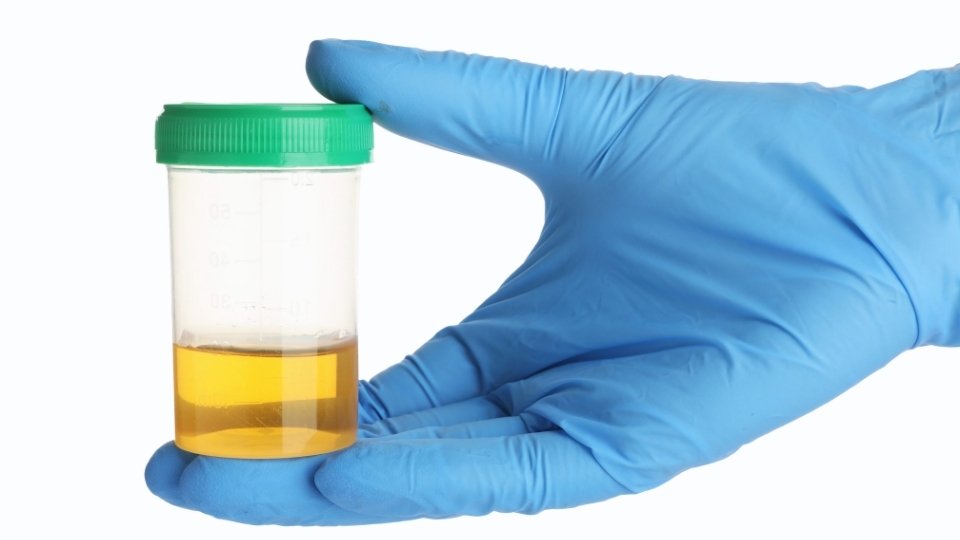
The type of drug test used also changes the answer, since each method looks for the drug or its metabolites in a different part of the body. Here is how benzodiazepine detection time generally breaks down by test:
- Urine: The most common test. Depending on the specific benzo, dose, frequency of use, and testing method, detection may range from about one day to more than a week. Regular use of some longer-acting benzos may extend the window.
- Blood: Detects benzos for a shorter window, usually from several hours up to a couple of days, and is often used in medical or emergency settings.
- Saliva: Typically detects recent benzo use for about one to two days, although some benzodiazepines may not be detected reliably by every oral fluid test.
- Hair: Offers the longest window. A 1.5-inch scalp-hair sample commonly reflects approximately 90 days of exposure, although the exact period depends on hair length, growth, and the testing method.
It is also worth noting that some standard drug panels do not reliably detect every benzodiazepine. Certain benzos, including clonazepam and lorazepam, can be missed by basic immunoassay tests. Alprazolam may also be missed by some standard panels. Specialized or confirmatory testing is sometimes required, especially when a screening result does not match a person’s prescribed medication history. For more on testing logistics, see our guide on how long drug test results take.
What Affects How Long Benzos Stay in Your System?
Two people taking the same benzodiazepine can have very different detection windows. Several personal and situational factors play a role:
- Dose and frequency: Higher doses and regular use can cause the drug or its metabolites to build up in the body and take longer to clear.
- Duration of use: Long-term use may extend detection times, particularly with longer-acting medications.
- Metabolism and age: Older age can slow the clearance of some benzodiazepines, although the effect varies by medication and individual health.
- Liver and kidney function: Liver impairment can slow the metabolism of many benzos, while kidney impairment may delay the removal of certain drugs or metabolites.
- Body composition: Body composition may affect the distribution and elimination of some benzodiazepines, particularly more fat-soluble medications.
- Other substances: Certain medications can speed up or slow down the metabolism of specific benzos. Alcohol may not predictably lengthen the detection window, but combining alcohol and benzodiazepines can dangerously increase sedation, breathing problems, overdose risk, and death.
Because of these variables, no chart can predict exactly how long a benzo will stay in any one person’s system. The figures above are guidelines, not guarantees. If you are curious how these windows compare to other substances, our article on how long alcohol stays in your system offers a useful comparison.
Concerned About Benzo Use?
Questions about how long a benzodiazepine stays in your system do not necessarily mean that you have a problem with the medication. However, increasing tolerance, taking more than prescribed, experiencing withdrawal symptoms, being unable to cut back, or continuing to use benzos despite negative consequences are all worth paying attention to.
One of the most important things to understand is that stopping benzodiazepines suddenly can be dangerous. Abrupt withdrawal or reducing the dose too quickly can cause severe and potentially life-threatening symptoms, including seizures. Benzodiazepines should not be stopped suddenly without guidance from a qualified medical professional. A professional can develop a safe, gradual taper based on the medication, dose, length of use, and your overall health.
For those who want to move away from relying on benzos to manage anxiety, building healthier coping tools is key. Our guide on how to manage anxiety offers practical alternatives. And for anyone struggling with dependence, structured support makes a real difference. Our overview of benzodiazepine addiction treatment explains what recovery can look like.
At Ray of Hope in Columbus, our outpatient services, including individual therapy, group therapy, and our Intensive Outpatient Program, help people address benzodiazepine dependence while staying connected to their daily lives. A clinical assessment can determine whether outpatient support is appropriate or whether a higher level of medical care is needed for a safe taper. Reaching out is the first step toward regaining control.
How Long Do Benzos Stay in Your System? Frequently Asked Questions
How long does Xanax stay in your system?
Xanax is a shorter-acting benzodiazepine with an average half-life of about 11 hours and a reported range of roughly 6 to 27 hours. It is commonly detectable in urine for about 1 to 4 days after the last dose, although regular use, higher doses, individual metabolism, and test sensitivity can extend that window.
How long does Klonopin last and stay detectable?
Klonopin (clonazepam) is longer-acting, with a half-life of about 30 to 40 hours, so its calming effects may last longer than those of shorter-acting benzos. Klonopin and its primary metabolite are commonly detectable in urine for about 1 to 4 days, although regular use, higher doses, slower metabolism, and sensitive testing may extend that period.
How long does Ativan stay in the system?
Ativan (lorazepam) is a shorter-acting benzodiazepine with an average half-life of approximately 12 hours. It may be detectable in urine for about 1 to 7 days after the last dose. Frequent use, higher doses, slower metabolism, and the testing method can lengthen this detection window.