
Entering addiction treatment is an important decision, and understanding the difference between inpatient and outpatient rehab helps set the foundation for a smoother recovery journey.…
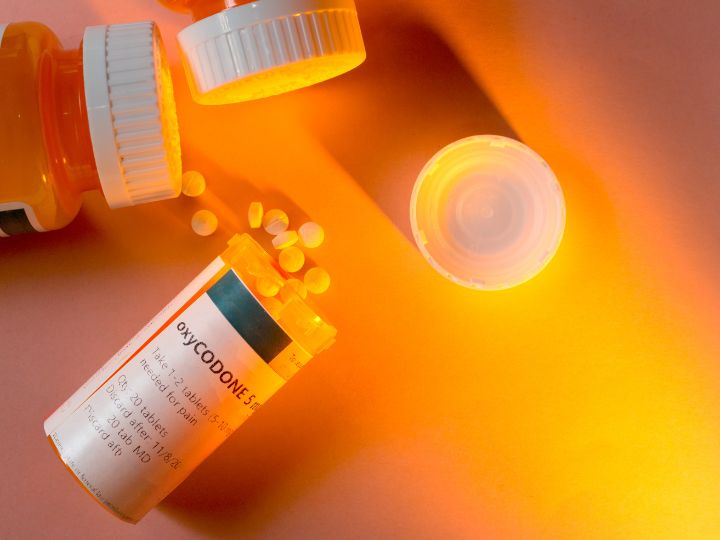
The opioid epidemic represents one of the most significant public health challenges of our time, affecting millions of lives across socioeconomic boundaries and geographic regions.…

Heroin addiction represents one of the most challenging public health crises facing communities worldwide. This powerful opioid, derived from morphine, creates intense physical and psychological…

Staying sober requires more than avoiding harmful drug or alcohol use. Daily habits and emotional regulation play a central role in long‑term stability. Healthy hobbies…

Social support groups and counseling services in Columbus have emerged as vital resources for men battling depression, offering structured environments where they can openly discuss…
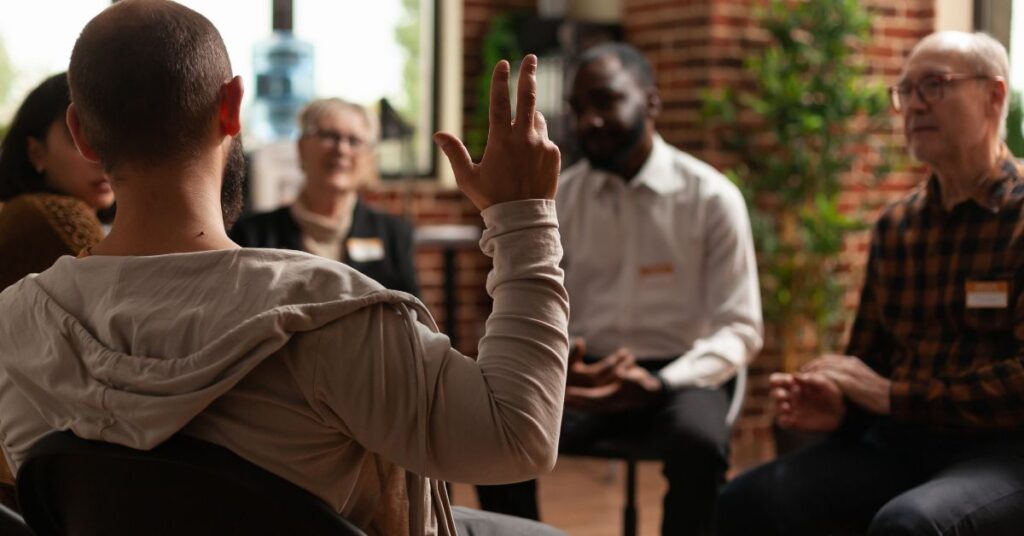
The Caduceus Meeting on Opioid Addiction in Columbus has played a significant role in shaping awareness and advocacy efforts around the opioid crisis. Through strategic…

Recovery from substance use is not a one-time achievement but a lifelong process. Even after treatment, individuals may face emotional, environmental, or social triggers that…

Understanding the Connection The relationship between addiction and mental health disorders is complex and intertwined. Effective recovery requires addressing both conditions simultaneously to prevent relapse…

Relapse is a common part of addiction recovery, but having the right coping strategies and support systems in place can help individuals maintain long-term sobriety.…

Addiction recovery is a challenging and life-changing journey that requires dedication, perseverance, and support. For those embarking on this path in Columbus, Ohio, there are…