
Is PTSD neurodivergent? The question of whether having PTSD qualifies as neurodivergent has gained traction in online spaces and among neurodiversity advocates in recent years. It touches on genuinely complex territory about how brains develop, how trauma changes brain function, and what the term neurodivergent actually means. If you’ve been trying to make sense of where PTSD fits within the broader neurodiversity conversation, this article breaks down what is known, where the debate stands, and why the distinction may matter for how you seek support.
Key Takeaways
- The term neurodivergent is most commonly used to describe people whose brains develop differently from what is considered neurotypical, such as those with autism spectrum disorder or ADHD, though the boundaries of the term remain debated.
- PTSD changes brain function and structure in measurable ways, which has led some to argue it belongs under the neurodivergent umbrella.
- The neurodiversity movement and many healthcare professionals do not share a single consensus on whether acquired conditions like PTSD qualify as neurodivergent.
- Regardless of how PTSD is categorized, its effects on the brain and nervous system are real and respond to evidence-based treatment.
- How you identify is a personal matter, but treatment decisions should be guided by clinical support rather than category labels alone.
What Does the Term Neurodivergent Actually Mean?
To engage with the question of whether PTSD is neurodivergent, it helps to start with what the term neurodivergent actually means and where it came from. The term emerged within the neurodiversity movement to describe people whose brains work differently from what is considered neurotypical. Originally used most often in relation to autism spectrum disorder, it has since expanded in public, advocacy, educational, and some therapeutic spaces to include ADHD, dyslexia, Tourette’s syndrome, and intellectual disabilities, among others.
The neurodiversity movement emerged in part as a response to the medicalization of neurological differences, arguing that many variations in how brains develop and process information reflect natural human diversity rather than deficits requiring correction. Many neurodiversity advocates have generally used the term to describe people whose brains develop differently from early life, rather than those whose brain function changes as a result of later experience or trauma, though that boundary is not universally agreed upon.
How the Term Neurodivergent Has Evolved
The definition of who counts as a neurodivergent person has expanded significantly through social media platforms and online interaction. On social media, the umbrella term has stretched well beyond its original scope, with many people using it to describe people with a wide range of mental health conditions, including PTSD. This broader use reflects how the term has evolved in online spaces, though it does not necessarily reflect clinical consensus.
Healthcare professionals and neurodiversity affirming practitioners vary in how they apply the term, and there is no single authoritative definition that settles the debate.
Is PTSD Neurodivergent?
Whether PTSD is considered neurodivergent depends on who you ask. Some advocates include it under the neurodivergent umbrella, since trauma fundamentally alters brain structure and function. Others argue the term should be reserved for conditions present from birth, like autism or ADHD. There is no clinical consensus, making it ultimately a personal and community-defined label.
How PTSD Affects Brain Function and Structure
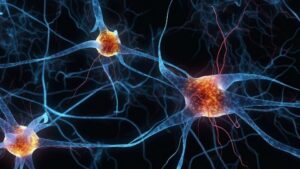
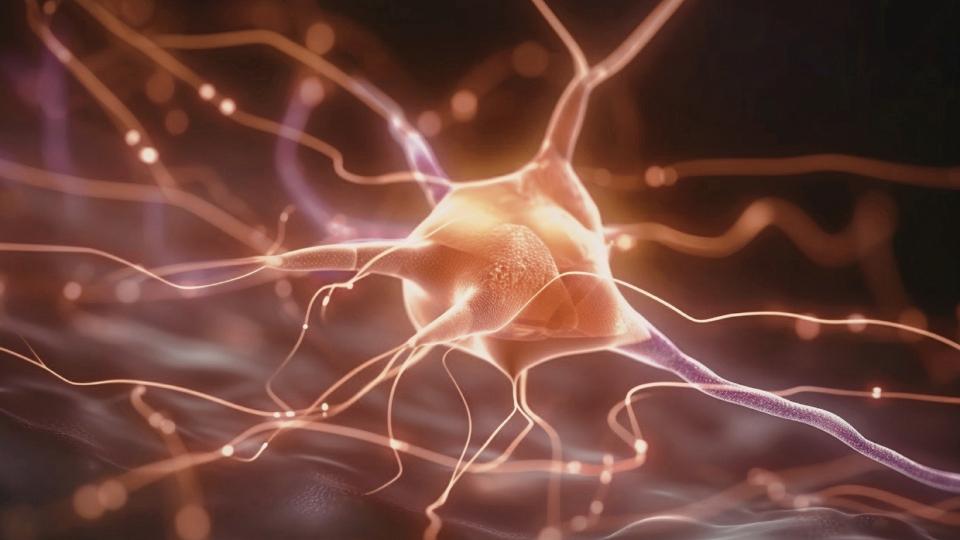
One of the reasons the PTSD neurodivergent debate has substance is that post-traumatic stress disorder does produce measurable changes in how the human brain functions and is structured. These are not merely psychological experiences but documented neurological differences that can be observed through brain imaging research.
Key areas of brain function affected by PTSD include:
- The prefrontal cortex, which is involved in emotional regulation and decision-making, may show reduced activity in people with posttraumatic stress disorder
- The amygdala, which processes fear and threat responses, tends to be more reactive in trauma survivors
- The hippocampus, involved in memory processing, may show structural changes in people with chronic stress and PTSD
These brain differences are real and have functional consequences. They can affect emotional regulation, threat processing, attention, memory, and how a person processes information day to day. In this sense, people with PTSD may experience the world differently in ways that go beyond temporary mood changes.
| Brain Region | Typical Role | How PTSD May Affect It |
|---|---|---|
| Prefrontal cortex | Emotional regulation, decision-making | Reduced activation, difficulty managing responses |
| Amygdala | Fear and threat processing | Heightened reactivity, frequent alarm responses |
| Hippocampus | Memory formation and context | Structural changes, difficulty with memory processing |
| Nervous systems | Regulating arousal and calm | Chronic activation, difficulty returning to baseline |
The Core Debate: Acquired vs. Developmental Neurodivergence
The central tension in the PTSD neurodivergent debate comes down to a distinction between developmental and acquired differences in brain function. Many common uses of neurodivergence, including those used by neurodiversity affirming therapy practitioners, describe people whose brains develop differently from the beginning of life. Autism spectrum disorder, ADHD, and similar conditions reflect differences in how brains develop rather than changes that occur in response to a later traumatic event.
PTSD, by contrast, is an acquired condition. It develops after experienced trauma, meaning the brain changes occur in response to something that happened rather than reflecting a different developmental trajectory from birth. Some advocates and commentators use the term acquired neurodivergence to describe people whose brain function shifts significantly after trauma, chronic stress, or serious illness. This framing acknowledges that PTSD produces genuine neurological differences while preserving the distinction between developmental and acquired brain differences.
Neurodivergent individuals who also have PTSD may find that their existing neurological differences shape how they experience and process psychological trauma. Autistic children and autistic people, for example, may face distinct challenges in trauma responses and emotional dysregulation that differ from neurotypical trauma survivors.
Why the Category May or May Not Matter for Treatment
For some people, identifying as neurodivergent provides a framework that feels validating and helps them describe people’s experiences in terms of brain differences rather than personal failure. Neurodiversity affirming therapy can be a helpful model for some trauma survivors, emphasizing adaptation and support rather than deficit correction.
For others, the category question is less important than finding effective treatment. Emotional dysregulation, sensory sensitivities, difficulty in higher education or work settings, and challenges in social situations are all experiences that can be addressed clinically, regardless of whether PTSD is formally classified under the neurodivergent umbrella.
PTSD, Emotional Dysregulation, and Daily Life

Whether or not PTSD is considered a neurodivergent condition, its effects on daily life can overlap with challenges associated with other neurodivergent conditions. Emotional dysregulation is one example, as are sensory overwhelm, hypervigilance, and difficulties regulating nervous systems that have been shaped by psychological trauma or chronic stress.
People with PTSD may find that certain environments feel overwhelming, that noise-canceling headphones or other sensory regulation tools help manage distress, and that social situations trigger anxiety or avoidance. These experiences reflect how the nervous system has adapted to trauma, and they may resemble challenges seen across many neurodivergent individuals, even when the underlying causes differ.
Common functional challenges that may overlap between PTSD and other neurodivergent conditions include:
- Difficulty with emotional regulation in high-stimulus environments
- Sensory sensitivities that feel overwhelming in everyday settings
- Challenges in social situations or relational settings
- Intrusive thoughts that disrupt focus and daily functioning
- Feeling overwhelmed in higher education or professional settings
FAQs About PTSD and Neurodivergence
Is PTSD considered a neurodivergent condition by healthcare professionals?
There is no clinical consensus that classifies PTSD as a neurodivergent condition. Most healthcare professionals distinguish between developmental conditions like autism spectrum disorder and acquired conditions like PTSD, even though both produce measurable differences in brain function. A neurodiversity affirming healthcare provider can help you navigate this distinction in the context of your own experience.
Can someone be both neurodivergent and have PTSD?
Yes. Neurodivergent individuals, including autistic people and those with ADHD, can and do develop PTSD following a traumatic event. Their existing neurological differences may shape how they experience trauma and what kinds of support work best. Having both does not mean one cancels out the other, and treatment can address both simultaneously.
Does it matter whether PTSD is classified as neurodivergent?
For clinical treatment, the classification matters less than the specific symptoms and functional challenges being addressed. For personal identity and community belonging, how you describe your own experience is yours to determine. A healthcare provider familiar with both trauma and neurodiversity affirming approaches can help you develop a treatment plan that fits your actual needs rather than a label.
Finding the Right Support for PTSD
The debate around whether PTSD is neurodivergent is ongoing, and it may never resolve into a single clean answer. What is clear is that post-traumatic stress disorder produces real changes in how the brain works differently, and that those changes respond to evidence-based care.
Ray of Hope offers structured outpatient and partial hospitalization treatment for individuals working through PTSD and co-occurring conditions. Care is grounded in clinical evidence, individualized to your needs, and designed to fit around daily life responsibilities. In-network insurance, including Medicaid, is accepted. If you or someone you care about is ready to take the next step, Ray of Hope in Columbus is here to help.